































Jessie Altman Finds Her Sound, and Something Real, on ‘Lovelight’

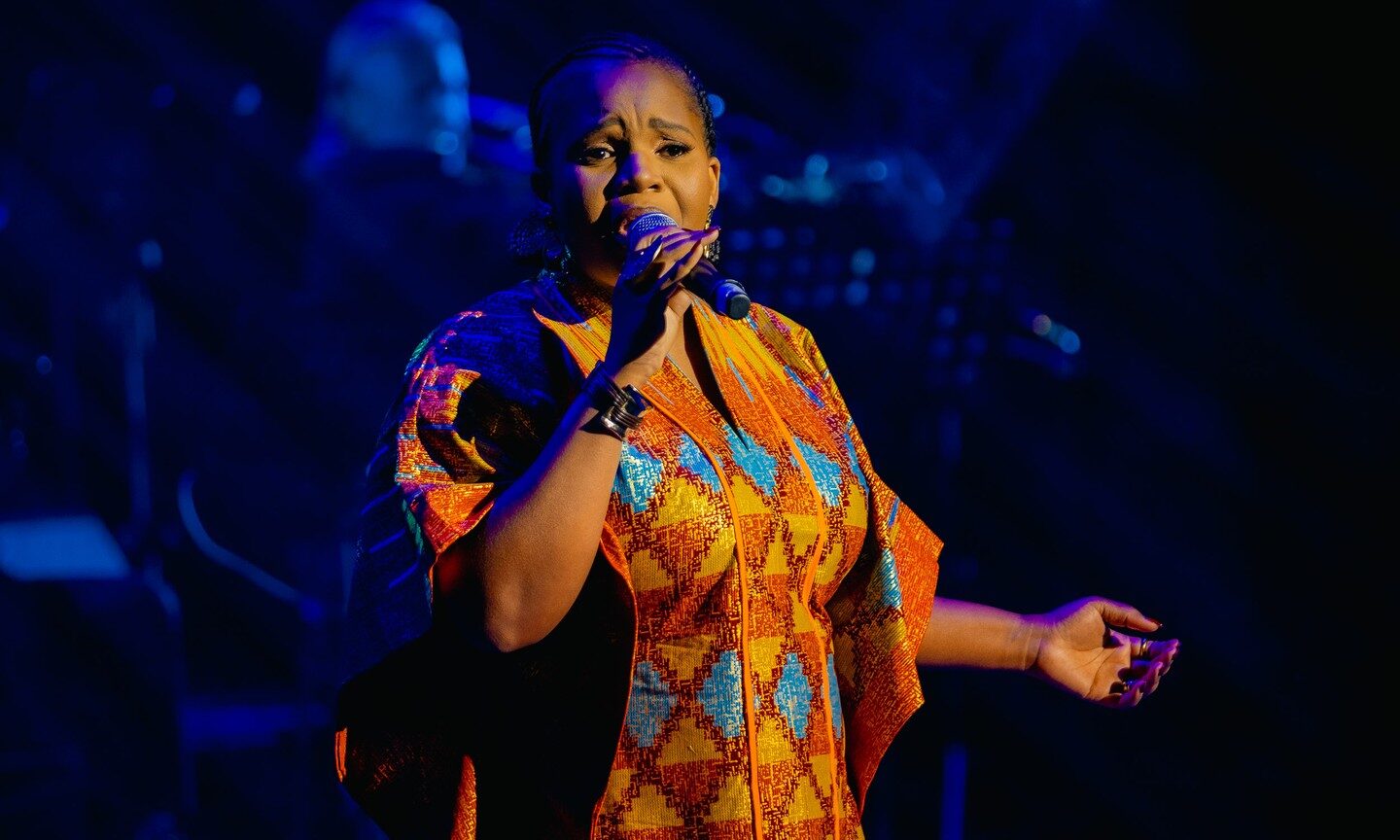
On her sophomore album Lovelight, Jessie Altman isn’t simply writing about falling in love. She’s interested in everything that happens around it: the false starts, lingering memories, bad decisions, unexpected chemistry and gradual realization that the real thing may look nothing like the version you once imagined.
Across 12 tracks, Lovelight, out September 25, finds the singer-songwriter sharpening both her writing and her musical identity. Produced entirely by Sam Hollander, whose credits span Panic! At The Disco’s “High Hopes,” Fitz and the Tantrums’ “HandClap” and Train’s “Marry Me,” the album gives Altman’s intimate songwriting a polished, melodic framework without burying what makes the songs work: her voice and the stories she is telling.
More from Spin:
- Orlando Kallen Is Bringing Spectacle Back to Male Pop Stardom
- Inked & Amped Chicago Rocked the Ramova
- Inside Red Slushy Records’ Bet on Rock’s Second Act
Altman is often recognized for turning personal experiences into songs that resonate with a wide audience. With Lovelight, she further develops that instinct, offering a cohesive and emotionally direct collection that may be among her most musically assured work to date.
That progression is something Altman recognizes herself.
“Lovelight is really my first time diving into what I believe love should feel like,” Altman says. “My first album was about navigating life on the other side of a profound change or loss. This album is about what happens when you open yourself up to falling in love. Sonically, it leans more pop than my debut. I wanted it to exist in that space between grounded and dreaming, because I think that’s where the best love stories live.
“We’ve all watched someone we love settle or stay in something that was never quite right. I wanted to write an album about letting go of the relationships that aren’t meant to last and what I believe a forever love should actually feel like, because everyone deserves to find that. Lovelight is my little reminder.”
That confidence reveals itself gradually. Album opener “Endlessly” begins in the haze of memory, capturing the strange gravitational pull of something that is already over. “Your Own Good” and “Indifference” push the story forward, but rather than turning heartbreak into melodrama, Altman explores the quieter power of emotional detachment. Sometimes moving on doesn’t arrive with an explosion. Sometimes you simply stop caring.
Musically, Lovelight becomes brighter as its narrator does. “Barcelona” carries the rush and disorientation of an unexpected connection, while “Play It Cool” explores the familiar impossibility of pretending not to care when you very clearly do. On “Wanted,” Altman allows vulnerability to replace self-protection, giving the album one of its clearest turning points.
The sequencing is important. Instead of presenting love as an instant transformation, Altman lets it unfold in stages. “Reverie” exists in the dreamy uncertainty before a relationship needs definition, while “Stay Away” and “For The Hell Of It” embrace attraction at its least rational. The latter, in particular, captures the freedom of making a choice simply because it feels good, without demanding to know where it leads.
But Lovelight is most convincing when the romance gets smaller. 
“Slow Love” and “Dancing in the Kitchen” shift the focus away from cinematic declarations toward everyday intimacy. Here, love is patience, presence and being comfortable enough to stand still. Altman’s soulful vocal delivery fits that perspective particularly well, favoring emotional clarity over vocal theatrics.
The record closes with “What If,” a song that could easily have become an exercise in regret. Instead, Altman looks back at alternate roads without wishing she had taken them. It completes the album’s larger idea: the wrong relationships weren’t wasted time, they helped make the right one recognizable.
Engineered by Lorenzo Wolff, Carlos Mora and Grammy-winning engineer Craig Alvin, Lovelight also represents a natural progression from Altman’s 2024 debut Aftermath and 2026 EP Sleepwalking. Where those projects introduced an artist finding her footing, Lovelight sounds considerably more settled in its point of view.
That may be the album’s most interesting love story. Beneath songs about letting go and finding someone unexpected is another narrative entirely, an artist learning to trust her own instincts.
The fairytale may provide Lovelight with its premise, but Altman sounds increasingly uninterested in fantasy. Twelve songs later, she has found something much more compelling: a sound, and a story, that feel entirely her own.
For updates, new music, and tour announcements, follow Jessie Altman across all platforms. LinkTree | Website | Instagram | Spotify
SPIN Magazine newsroom and editorial staff were not involved in the creation of this content.
To see our running list of the top 100 greatest rock stars of all time, click here.
What's Your Reaction?
 Like
0
Like
0
 Dislike
0
Dislike
0
 Love
0
Love
0
 Funny
0
Funny
0
 Angry
0
Angry
0
 Sad
0
Sad
0
 Wow
0
Wow
0